
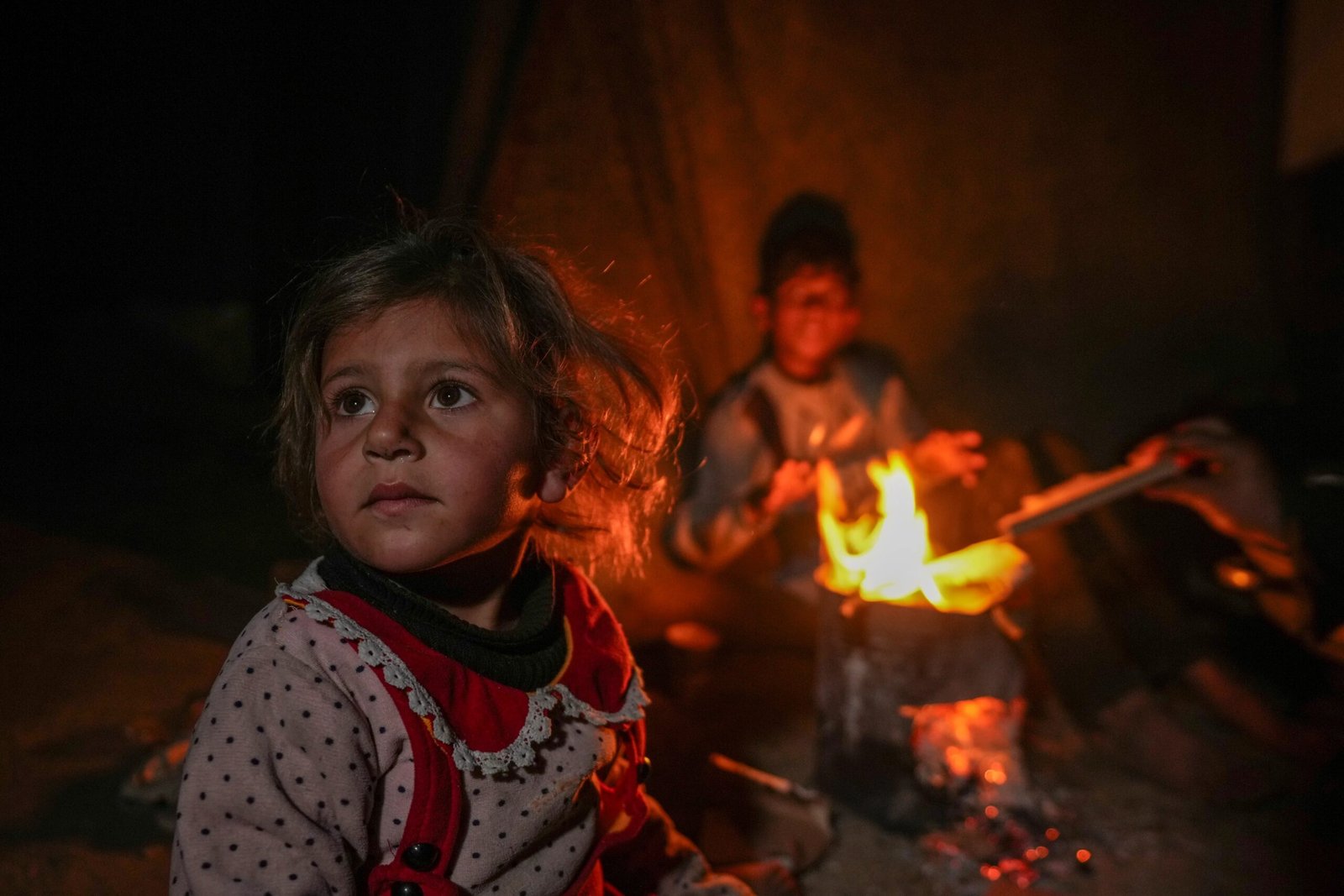
To live in Gaza in Winter is painful. Winter was the most beautiful season for people in the Gaza Strip, but after the storm of war occurred and all the houses were taken from their owners and people went to tents.
The most difficult season for people in the Gaza Strip is winter. It not only brings cold and rain, but adds harsh challenges to people. While around the world, people enjoy the warm winter facilities inside their homes but Gaza in winter sees only Cold. The worst part, Gaza in winter, buildings fall on the heads of their residents due to heavy rains.
Life without electricity in Gaza in winter
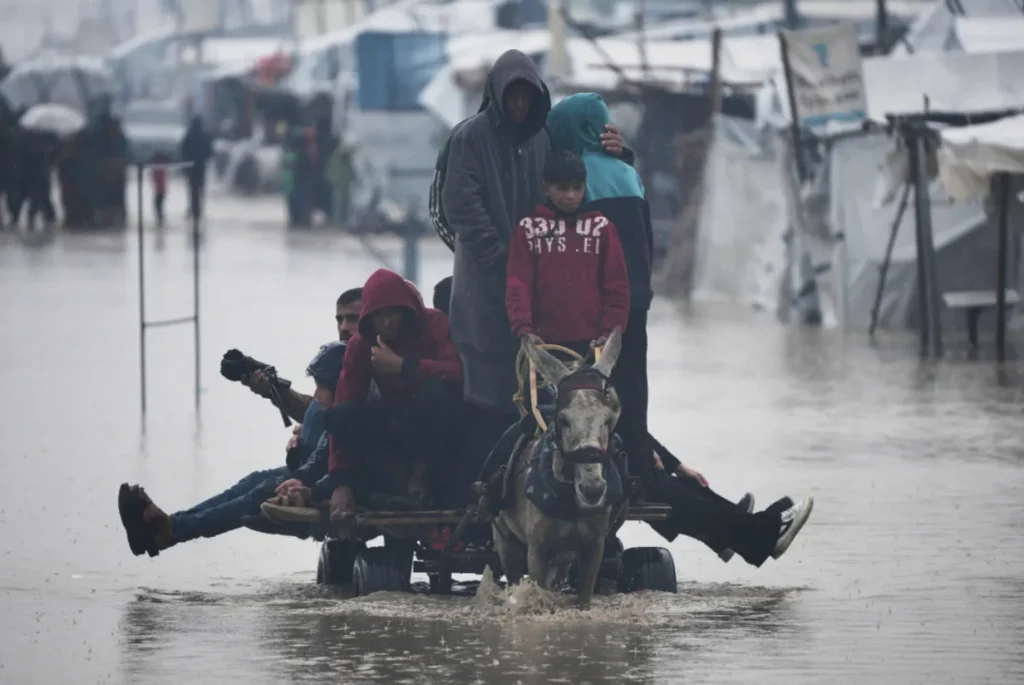
Gaza in Winter.
Winter in Gaza without electricity is very difficult. There is no fireplace or central heating. We lose the luxury of the family sitting around the heater, beautiful conversations, drinking hot drinks under warm lighting.
We struggle with cold darkness, and humidity. The atmosphere becomes semi-refrigerated. Life without electricity in Gaza in winter is not just a temporary discomfort, but a daily test of the dignity of the Palestinian people in Gaza. Despite all this, the people of Gaza remain steadfast in their land
The suffering of the people of Gaza in winter in tents
With the arrival of winter, the suffering of the people of Gaza begins with winter in tents after the occupation demolished their homes and forced displacement.
The rain was a great blessing, but now it has become a curse in tents that do not protect against rain or cold. The land is flooded with water and the tents become a damp cloth that does not provide warmth as children freeze, some of them die, and the spread of diseases increases.
The suffering of Gazans in the loss and shortage of clothes and blankets in winter
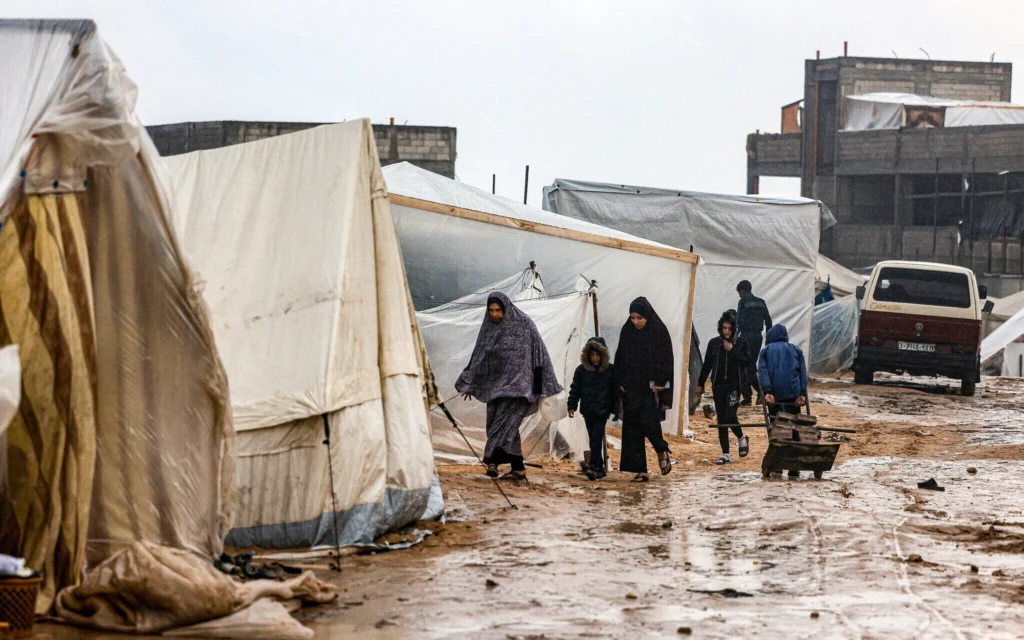
Winter in Gaza is Worst.
People lost their clothes and blankets for the winter that protected them from the extreme cold. People are facing winter in worn and light clothes that do not protect against the cold of winter.
They are forced to wear the same clothes for long time due to the lack of alternatives, and very few covers are not enough to warm children and adults.